Creating an inviting and aesthetically pleasing exterior for your business is not just about visual appeal; it can significantly impact customer perception and employee satisfaction. As organizations strive to enhance their outdoor environments, the importance of professional horticultural services becomes increasingly clear. These services encompass a wide range of offerings, from landscape design to ongoing maintenance, all aimed at presenting a polished and sustainable exterior.
The Importance of Commercial Landscaping
Investing in commercial landscaping is an essential strategy for businesses looking to make a lasting impression. A well-designed landscape enhances curb appeal, improves brand identity, and even boosts property value. For instance, a vibrant garden or neatly manicured lawn can attract potential customers while providing a pleasant environment for employees. Studies have shown that green spaces contribute to increased productivity and overall well-being among staff.
Moreover, effective landscaping can also support environmental sustainability efforts. By employing green infrastructure practices—such as rain gardens or permeable pavements—businesses can manage stormwater runoff more effectively while creating visually appealing spaces. This not only benefits the ecosystem but also aligns with growing consumer preferences for environmentally responsible companies.
Key Horticultural Services
Businesses often overlook the variety of horticultural services available that can transform their exteriors. Here are some crucial services that contribute significantly to elevating corporate landscapes:
Commercial Landscape Design: This involves planning and creating outdoor spaces tailored to a business's unique aesthetic and functional needs. Professional designers consider factors such as local climate, soil conditions, and existing architecture to develop cohesive landscapes that enhance the site’s character.
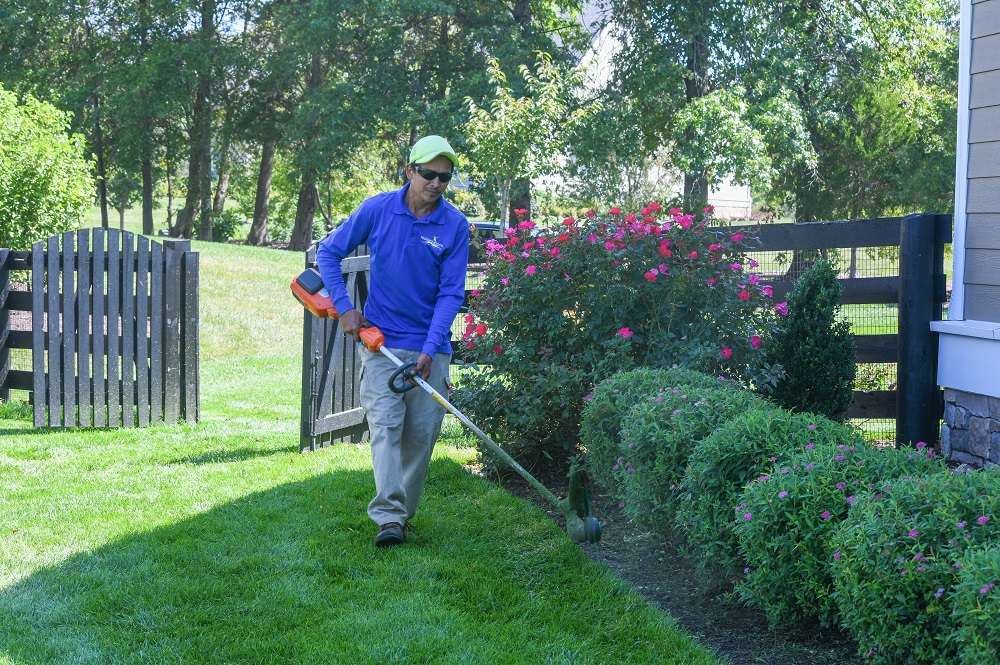
Landscape Maintenance: After establishing a beautiful landscape, regular maintenance is vital for its longevity. This includes mowing lawns, pruning shrubs, mulching flower beds, and fertilizing plants. Consistent upkeep ensures that greenery remains vibrant throughout the seasons.
Hardscape Installation: Hardscaping refers to the non-plant elements of landscaping, such as patios, walkways, walls, and decorative features. These structures provide functionality while enhancing visual interest in outdoor areas.
Turf Management: Healthy grass contributes significantly to the overall appearance of business exteriors. Turf management services include aeration, overseeding, pest control, and irrigation management—all aimed at promoting lush lawns that withstand heavy foot traffic.
Sustainable Landscaping Practices: Implementing eco-friendly practices is becoming increasingly important for many businesses today. Sustainable landscaping focuses on using native plants that require less water and maintenance while reducing chemical usage through organic gardening techniques.
Choosing Professional Commercial Landscapers
Selecting the right commercial landscapers can be a daunting task given the plethora of options available in the market. When evaluating potential service providers, consider their experience in commercial landscaping specifically rather than residential projects alone. An experienced team will understand the unique challenges faced by businesses in maintaining large-scale grounds.
Additionally, look for landscapers who prioritize sustainable practices in their work ethic. Companies adopting environmentally friendly methods often align more closely with modern consumer values and demonstrate social responsibility—qualities that resonate with clients today.
Checking references from previous clients can provide insights into their reliability and quality of work. Moreover, visiting completed projects allows you to assess their design style firsthand and gauge whether it matches your vision.
The Process of Landscape Transformation
Transforming your business exterior through horticultural services involves several steps that ensure successful implementation:
Initial Consultation: Engaging with professionals begins with discussing your vision for the space along with any specific requirements or constraints related to budget or timing.
Site Assessment: A thorough evaluation of the property helps identify key areas for improvement while considering factors like sunlight exposure and soil conditions which may influence plant selection.
Design Proposal: Based on initial discussions and site assessments, landscapers present design concepts detailing plant selections alongside hardscape elements like pathways or seating areas.
Installation Phase: Once designs are approved by stakeholders within your organization, installation commences according to agreed timelines ensuring minimal disruption to daily operations during this phase.
Ongoing Maintenance Plan: After installation comes regular maintenance tailored specifically toward keeping all aspects of landscaping healthy over time—this may even involve seasonal adjustments according to changing weather patterns.
The Role of Technology in Landscaping
Modern horticultural services have embraced technological advancements that streamline processes while improving sustainability outcomes within landscapes themselves:
- Irrigation Management Systems: Smart irrigation technology allows for precise watering schedules based on real-time weather conditions helping conserve water resources efficiently. Drones for Monitoring Landscapes: Drones equipped with cameras provide aerial views enabling efficient monitoring over larger properties allowing quick identification of problem areas needing attention. Landscape Design Software: Advanced software tools allow designers greater flexibility when crafting plans; they enable businesses to visualize potential changes before implementation begins ultimately saving time during iterations or adjustments prior installation phases start occurring onsite.
The integration of these technologies not only enhances efficiency but also empowers businesses to make more informed decisions about their landscape management strategies moving forward.
Cost Considerations
Budgeting for horticultural services requires careful planning since costs can vary greatly depending on project scope—from minor enhancements like planting seasonal flowers each year up through extensive renovations requiring significant investments upfront yet yielding long-term benefits down the line.
When determining budgets consider both initial expenditures https://springfieldlandscapingservices.com/service-areas/ associated with installation as well as ongoing maintenance costs which might fluctuate based upon seasonal demands (e.g., mowing frequency during peak growing seasons). Engaging professionals early allows them room flexibility when proposing solutions tailored towards aligning expectations without sacrificing quality standards expected within community settings where reputations matter immensely—especially under competitive market conditions prevalent across most industries today!
Ultimately investing wisely in well-planned landscaping initiatives translates directly into tangible returns through increased customer foot traffic alongside enhanced employee morale fostering positive workplace cultures conducive towards achieving organizational objectives effectively too!
Real-Life Success Stories
A notable example lies within a mid-sized tech company located just outside Seattle which sought out professional commercial landscapers after noticing declining employee satisfaction rates attributed partly towards lackluster outdoor spaces surrounding their headquarters building—a situation mirrored across numerous similar organizations facing similar dilemmas nationwide too!
Upon engaging experts specializing in corporate landscaping solutions they transformed neglected green areas into inviting gardens complete with walking paths leading employees away from screens encouraging breaks outdoors fostering collaboration among teams instead! Employees reported feeling revitalized post-breaks thus boosting overall productivity levels across departments significantly compared previous years' performance metrics indicating investment paid off handsomely!
Another case involves an upscale retail store chain seeking ways differentiate themselves amid stiff competition faced from online retailers opting install eye-catching hardscapes combined lush vegetation attracting patrons drawn aesthetics displayed outside storefronts enticing footfalls traffic steadily increasing sales numbers month-over-month thereafter demonstrating power strategic investments hold firms competing attractive customer experiences!
These real-life success stories highlight how thoughtful execution coupled strategic planning delivers returns beyond mere aesthetics—it cultivates environments nurturing growth both internally externally alike!
Final Thoughts on Horticultural Services
Well-executed horticultural services provide far-reaching benefits extending beyond immediate aesthetic improvements—they foster connections between people nature while enhancing business reputations along way too!
With careful consideration regarding selecting professionals committed delivering high-quality results paired innovative approaches leverage technology maximize sustainability outcomes organizations positioning themselves stand out crowded marketplaces find success moving forward embracing greener futures actively engaging communities positively influencing perceptions surrounding brands building trust loyalty customers alike!
By prioritizing investment within horticulture sectors businesses unlock potential transforming exteriors into vibrant welcoming environments encouraging interaction engagement driving long-term success ultimately benefiting society collectively thriving together!